What should happen before professional return vent cleaning begins?+
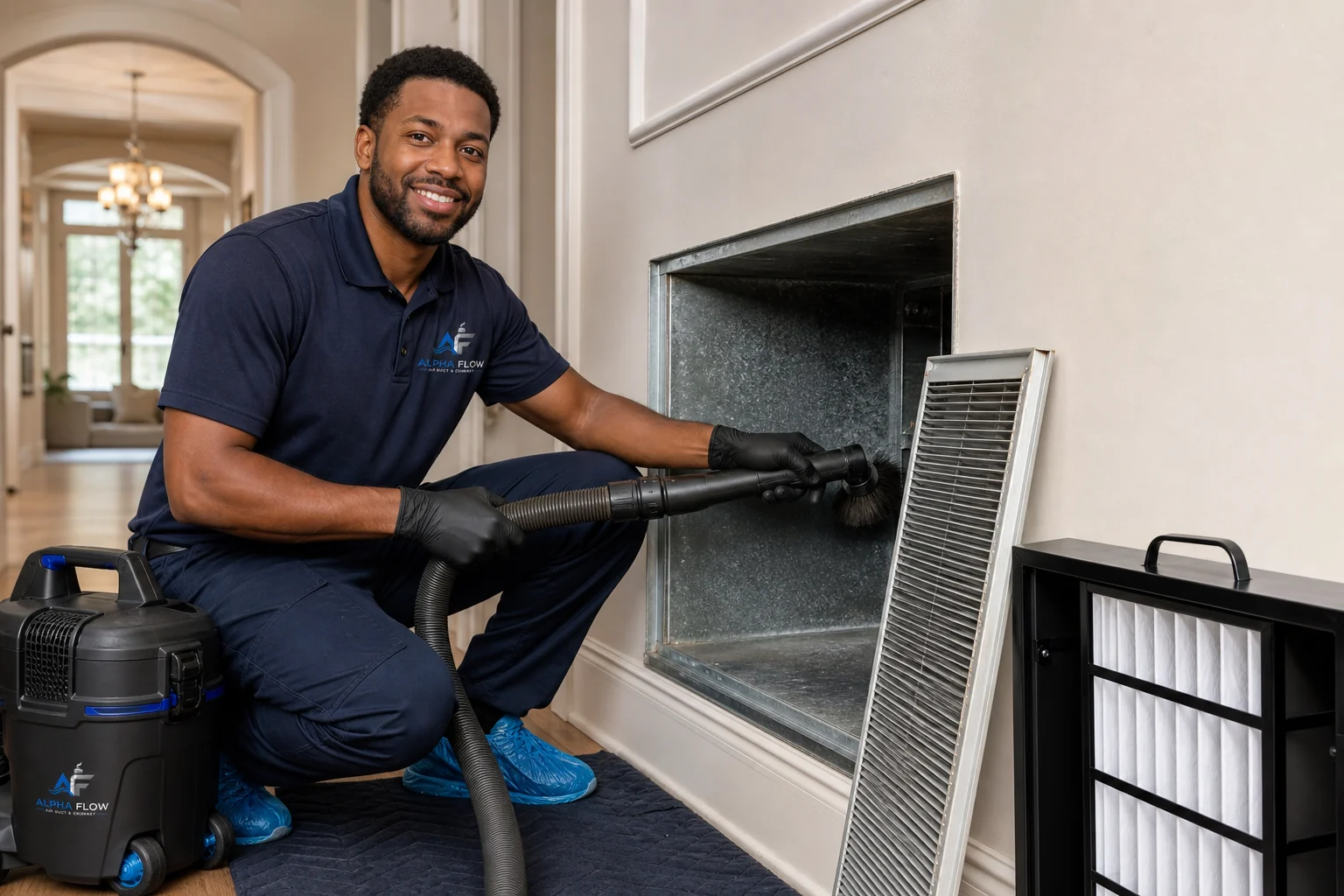
The technician should first review the symptom, system history, access and the boundary of the visit. For return vent cleaning, the primary focus is return grilles, return boxes, accessible cavities and filter-adjacent pathways. Nearby surfaces should be protected and any inaccessible section should be identified before work starts.
What does a quality return vent cleaning process include?+
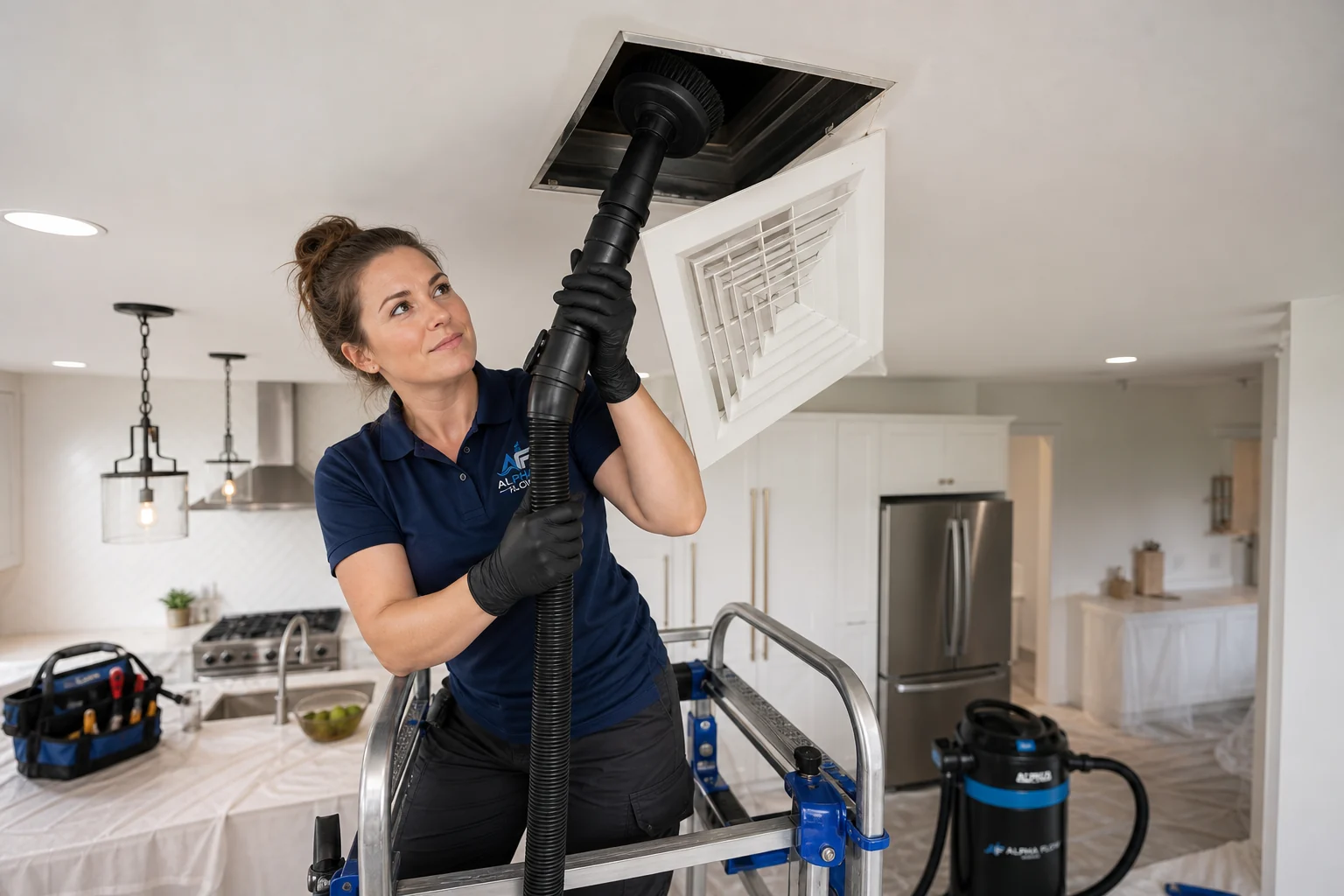
The process should include grille detailing, pet hair and lint removal, accessible cavity collection, filter-fit observations. The method must respond to the construction and accessible condition, and the final explanation should connect photos or direct observations to the work completed.
How can I prepare for a return vent cleaning appointment?+
Write down when the return vent cleaning concern started and whether weather, appliance use, renovation or occupancy changes affect it. Clear ordinary personal items from the primary access point to return grilles, return boxes, accessible cavities and filter-adjacent pathways; do not dismantle or climb to reach the system yourself. Secure pets and share parking, gate, roof-access or building-management instructions before the appointment. Save any useful photos, prior invoices or inspection notes so the technician can compare the history with the current condition. You should never climb, open energized equipment or dismantle the system to prepare for a routine visit.
How long should return vent cleaning take?+
Timing depends on access, system size, route length, buildup, material condition and whether the property is residential, multifamily or commercial. A professional team should explain the expected service window after confirming the address and scope rather than promising one universal duration.
What documentation should I receive after return vent cleaning?+
When access and site conditions allow, the closeout should show the relevant starting condition, accessible completed work and any limitation or separate recommendation. The return opening is cleaner and the homeowner gains a better view of filter fit, visible buildup and next maintenance steps.
When should additional work be a separate decision?+
A repair, treatment, replacement, destructive access or newly discovered system area that was not included in the original boundary should be explained and approved separately. Evidence should support the recommendation before a homeowner is asked to expand the scope.